
Care and Maintenance Guide for Handmade Wood Furniture in Tulsa
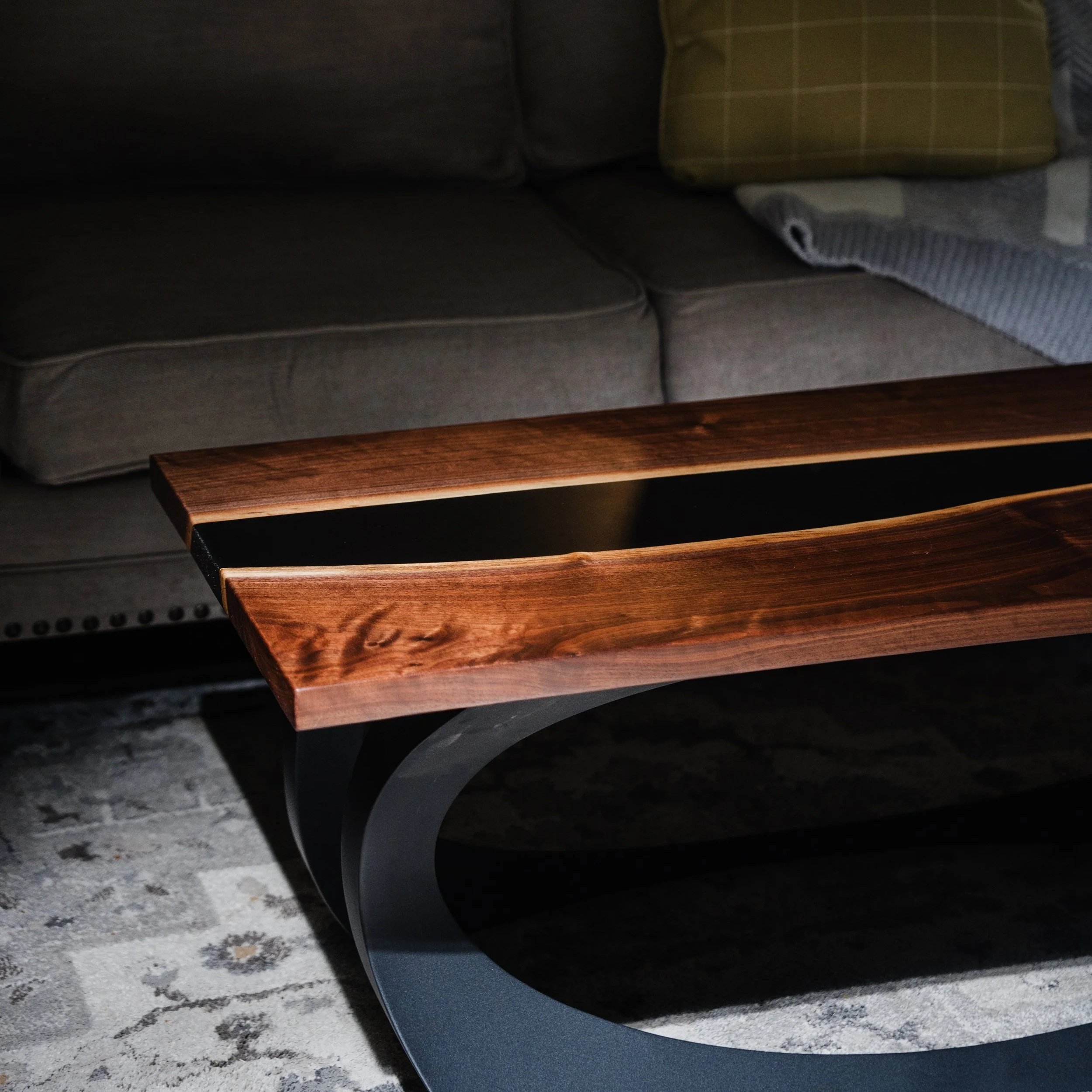
Handmade wood furniture carries the story of the tree and the craft.
Each piece begins as a living thing—roots deep in Oklahoma soil, rings marking decades of growth. Then it's milled, shaped, joined, and finished by hand. What you bring into your home isn't just furniture. It's a piece of something larger.
With simple habits, that story continues for generations.
Caring for handmade wood furniture isn't complicated. It doesn't require expensive products or weekly rituals. It just requires a little intention—the same kind of intention that went into building it.
In Tulsa, where humidity swings and summer heat test everything, protecting your investment means understanding how wood behaves and what it needs to stay strong.
This guide walks you through daily care, seasonal adjustments, and the small habits that add decades to the life of your table.
Understand How Wood Behaves
Wood is alive—even after it's been milled and finished.
It expands in humidity. It contracts in dry air. This movement is natural. It's not a defect. It's how wood responds to the environment around it.
What Wood Movement Looks Like
Small gaps appear between boards in winter when the air is dry.
Joints feel slightly tighter in summer when humidity is high.
The top might feel a fraction wider or narrower depending on the season.
These shifts are normal. A well-built table is designed to handle them without warping or cracking.
Tulsa Climate Impact
Tulsa swings hard. Summers are humid. Winters are dry, especially indoors with heating running. Spring storms bring moisture spikes. Fall cools things down fast.
Wood feels all of it.
The key is keeping your home's climate as stable as possible—not for comfort alone, but for your furniture.
Simple Signs to Watch For
Cracks along the grain: Usually caused by extreme dryness or rapid temperature shifts.
Warping or cupping: Often a sign the wood wasn't properly dried before the build, or the environment is too unstable.
Finish checking (tiny hairline cracks in the finish): Can happen with age or extreme dryness.
Most of these issues are preventable with steady indoor humidity and a little care.
Tip from the craftsman: Stable homes protect stable tables. Keep your thermostat consistent and your humidity between 35–55%.
Daily Care
Daily care is simple: wipe it down and move on.
How to Wipe Surfaces
Use a soft, damp cloth. Wipe with the grain. Dry immediately with a clean towel.
That's it.
You're not scrubbing. You're not soaking. You're just removing dust, crumbs, and surface dirt before they build up.
Safe Cleaners
Water is usually enough. If you need something stronger, use a mild dish soap diluted heavily in water—just a drop or two in a bowl.
Avoid:
Ammonia-based cleaners (Windex, glass cleaners)
Bleach or disinfecting wipes
All-purpose sprays with harsh chemicals
Furniture polish with silicone
These products can dull the finish, leave residue, or break down the protective layer over time.
Why Gentle Habits Add Years of Life
Harsh chemicals strip the finish. Rough scrubbing creates micro-scratches. Leaving moisture sitting causes water rings. Small mistakes compound.
Gentle care keeps the finish intact, the wood protected, and the table looking the way it did on day one.
Tip from the craftsman: Microfiber cloths keep the finish smooth. Cotton works too. Just avoid paper towels—they're too abrasive.
Weekly and Monthly Maintenance
Weekly care takes five minutes. Monthly care takes ten.
Weekly: Dusting
Dust settles. It always does. Use a dry microfiber cloth or a soft duster and wipe the entire surface, edges, and legs. Dust left sitting can scratch the finish when you wipe later.
Weekly: Spot Checks
Look for spills you missed. Check under placemats or centerpieces. Moisture hides in these spots and can leave rings if ignored.
Monthly: Buffing
Once a month, after cleaning, buff the surface with a clean, dry cloth. This brings back a little luster and evens out the sheen.
If your finish is looking dull, you can use a furniture wax or oil designed for hardwood (we can recommend specific products). Apply sparingly, buff gently, and let it sit.
Monthly: Deeper Clean
Move everything off the table. Wipe the entire surface with a damp cloth and mild soap if needed. Dry thoroughly. Check the legs and base for dust buildup or sticky spots.
This reset keeps grime from building up over time.
Heat and Moisture Protection
Heat and moisture are wood's biggest enemies.
Why Trivets Matter
A hot pan straight from the stove or oven can scorch the finish or leave a heat mark in the wood. Even if the finish looks fine at first, repeated heat exposure weakens it.
Always use a trivet, hot pad, or thick towel under hot dishes.
Why Coasters Are Essential
Cold drinks sweat. Hot drinks steam. Both leave moisture sitting on the surface. If that moisture soaks through the finish, it leaves a white ring that's hard (sometimes impossible) to remove.
Use coasters. Every time.
How Moisture Rings Form
Water sits on the finish. The finish has microscopic pores. Moisture seeps in and gets trapped between the finish and the wood. It clouds the finish and stains the wood underneath.
Once it's there, it's stubborn.
Steam, Pans, and Slow Buildup of Damage
Even small amounts of moisture—steam from a pot, condensation from a vase, a damp dish towel left sitting—can damage the finish over time. The damage isn't always instant. It's cumulative.
Protect the surface. It's easier than repairing it.
Tip from the craftsman: Never place a hot pan straight on hardwood. Not even for a second. The damage happens faster than you think.
Sunlight and Temperature
Sunlight is beautiful. It's also aging your table.
How UV Light Shifts Wood Tone
All wood changes color with UV exposure. Cherry darkens dramatically. Walnut lightens slightly. Oak warms up. It's natural—but if only one section of your table gets direct sun, the color shift won't be even.
You'll end up with a table that's darker on one end and lighter on the other.
How to Rotate Décor to Keep Color Even
Move your centerpiece. Rotate your placemats. Shift your runner every few months. This spreads the UV exposure evenly so the whole table ages at the same rate.
If your table sits near a window with strong afternoon light, consider sheer curtains or UV-blocking film to soften the exposure.
Tulsa Windows and Strong Summer Light
Tulsa summer sun is intense. South- and west-facing windows hit hard from May to September. If your table is near one of these windows, the sun will age the wood faster.
It's not permanent damage—it's just faster aging. But evening it out early helps keep the finish and color consistent.
Protecting the Finish
The finish is your table's armor. It protects the wood from moisture, stains, and scratches. But it's not indestructible.
What Your Finish Is Built to Handle
Daily wiping with a damp cloth
Light spills cleaned up quickly
Normal use: plates, cups, laptops, books
Minor scuffs and contact
Our multi-layer finishing process is designed for real life. It's durable. It's forgiving. It's built to last.
What It Cannot Handle
Harsh chemical cleaners
Prolonged moisture (spills left overnight, wet plants sitting directly on the surface)
Scratching or dragging heavy, rough objects
Extreme heat without protection
Why Certain Cleaners Break Down Sheen
Silicone-based polishes leave a waxy buildup that dulls the finish over time. Ammonia and alcohol dry out the finish and cause it to crack. Abrasive cleaners scratch the surface.
Stick with water and mild soap. Your finish will stay clear and smooth.
Tip from the craftsman: Smooth touch means the finish is still strong. If it feels sticky, rough, or dull, it's time for a refresh.
Yearly Reset
Once a year, give your table a full check.
Simple Yearly Checks
Inspect the finish: Look for dull spots, scratches, or areas where the sheen has worn down.
Check the structure: Does the table wobble? Do the legs sit flat? Does anything feel loose?
Tighten hardware: If your table has bolts, screws, or metal brackets, check them. Wood movement can loosen connections over time.
Deep clean: Move everything off. Wipe the entire table, including the underside and legs. Dust and grime hide in corners.
Slowing Wear
High-traffic areas—where plates land every night, where kids do homework—will wear faster. Rotate placemats. Move your laptop to a different spot. Small shifts spread the wear evenly.
When to Ask for a Professional Refresh
If the finish is dulling, scratched, or showing water damage, reach out. We can sand, refinish, and restore the table to like-new condition.
A professional refresh every 10–15 years keeps an heirloom table looking pristine for a lifetime.
Common Mistakes to Avoid
These small habits cause big damage over time.
Using Silicone Sprays
Silicone-based furniture polishes (like Pledge) leave a waxy film that builds up and traps dirt. Over time, the finish dulls and feels sticky. Avoid them completely.
Using Rough Scrub Pads
Scouring pads, abrasive sponges, and rough cloths scratch the finish. Even if the scratches are small, they add up. Stick with soft cloths only.
Leaving Spills Overnight
Water, juice, wine—anything left sitting will soak into the finish. Clean spills immediately. Even if they look dry, wipe them down.
Dragging Décor Across the Surface
Vases, candlesticks, serving trays—if they're heavy or have rough bottoms, they'll scratch the finish when dragged. Lift, don't slide.
Placing Plants Directly on the Table
Potted plants sweat. They leak. They leave moisture rings. Always use a saucer, and always put a coaster or mat under the saucer.
Caring for Wood in Tulsa's Climate
Tulsa puts wood through the wringer.
Humidity Swings
Summer humidity can hit 70% or higher. Winter indoor air drops below 20% with heating running. That's a 50-point swing. Wood expands and contracts with every shift.
What helps:
Use a humidifier in winter to keep indoor humidity around 40%.
Run a dehumidifier in summer if your home feels sticky.
Keep the thermostat steady year-round.
Air Conditioning Cycles
AC dries the air fast. If your table sits near a vent, it's getting hit with cold, dry air all summer. That can cause cracking or finish checking.
What helps:
Move the table away from direct vents if possible.
Use a humidifier to offset the dryness.
Dry Winters
Heating systems suck moisture out of the air. Wood contracts. Gaps appear between boards. Finishes can develop hairline cracks.
What helps:
Run a whole-home humidifier or use portable units in main living areas.
Keep the humidity between 35–45% all winter.
Simple Ways to Protect the Table Year-Round
Monitor indoor humidity with a simple hygrometer (under $15 at any hardware store).
Keep the table away from direct sunlight, heating vents, and exterior doors.
Wipe spills immediately, no matter the season.
Wood adapts. It just needs a stable environment to do it without damage.
When to Reach Out for Help
You don't have to handle everything alone.
Finish Dulling
If the finish has lost its sheen or looks cloudy, it might need a professional buff or recoat. This is normal after years of use.
Deep Scratches
Surface scratches can sometimes be buffed out. Deep scratches that go through the finish and into the wood need sanding and refinishing.
Water Damage
White rings, dark stains, or warping from prolonged moisture exposure usually require professional repair. The sooner you address it, the easier the fix.
Structural Issues
Wobbling, loose joints, or cracking wood means something has shifted. Don't ignore it. Reach out and we'll walk you through next steps.
You Get Long-Term Support
When you invest in a handmade piece from Five Feathers, you're not on your own after delivery. We're here for questions, guidance, and repairs if you ever need them.
In the end….
Handmade pieces are meant to age with the family.
They're built to handle daily meals, homework battles, holiday dinners, and decades of living. With a little care—gentle cleaning, protection from heat and moisture, and attention to your home's climate—they turn into heirlooms.
You don't need fancy products or complicated routines. You just need intention.
The same intention that went into building your table is the same intention that keeps it beautiful for the next generation.
Questions? We're Here
If you have care questions about your handmade furniture—or if you're ready to start your custom build journey—reach out to Five Feathers.
We're here to support you, guide you, and help protect your investment for years to come.
Let's build something that lasts.